

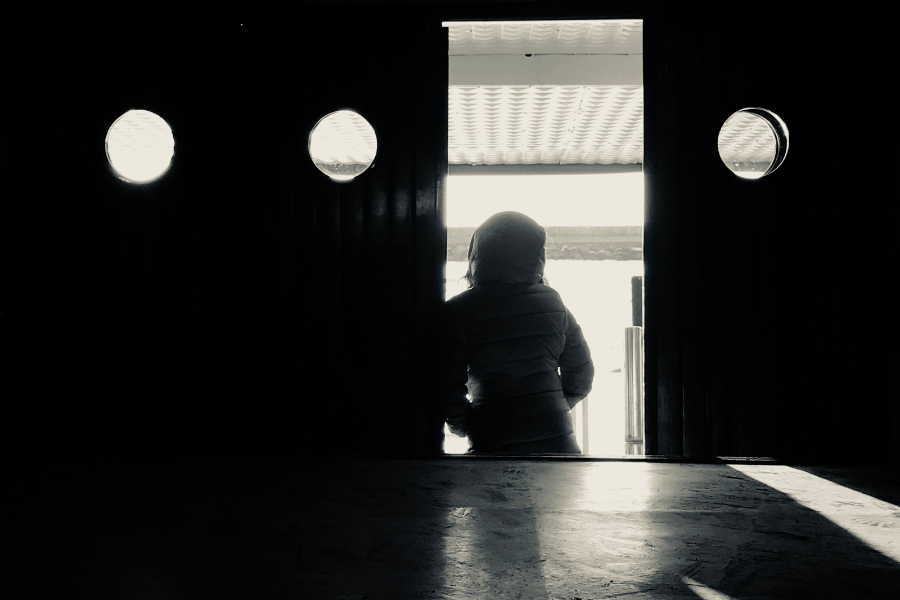
Growing up should be a time for building friendships, discovering new shared interests and building connections with the people and places around you. But for many young people, that experience is changing.
The recent IPPR report, The Loneliest Generation: What it is like to grow up in England today, paints a picture of growing disconnection among young people.
The report found that young people have fewer close friends than they did a decade ago, with one in 20 reporting having no close friends at all. Nearly one in 10 16–24-year-olds also reported feeling lonely ‘a lot of the time’.
These findings have prompted conversations with our Know Our Impact (KOI) Youth Board about what connection looks like for young people today, what can get in the way, and where movement and physical activity might be part of the solution.
Finding spaces to connect
One of the strongest themes from our conversations was that young people don’t necessarily lack a desire to connect. Instead, there can be fewer opportunities and accessible spaces for that connection to happen naturally, with “less spaces to connect, that aren’t online or that don’t cost money every time they go.”
Youth groups, youth boards, sports clubs and other safe social spaces can therefore play an important role, not only because of the activity taking place, but because they give young people somewhere to meet, talk and build relationships.
Technology adds another layer. “Social media and technology can help young people to be more connected, however, they can also make people feel more isolated.” Online spaces can help maintain friendships and find communities, but they don’t always replace the value of spending time together face-to-face.
There are also competing pressures on young people’s time. Balancing schoolwork, social life and other commitments can mean “young people don’t have as much time to spend with friends as they would like.”
Movement can create connection
This is where movement and physical activity can make a difference, and it doesn’t have to through traditional organised sport.
When discussing what could help, KOI members talked about simple things: getting outdoors, meeting friends, joining a club or setting aside time to do something enjoyable together.
What connects these ideas is that movement can create natural opportunities for connection.
Rather than putting pressure on someone to ‘go and socialise’, being active gives people a shared reason to be together. It creates natural opportunities for conversation and connection, while offering some time away from the things that might be causing worry or stress.
It can also provide a valuable break from the online world. As the young people reflected, “setting aside time to spend doing something enjoyable and beneficial for wellbeing with friends can help young people to feel happier and more connected. It is especially good if they can be away from distractions such as social media.”
Importantly, the activity doesn’t have to be competitive, structured or particularly strenuous. Sometimes it can be as simple as “walking in a park”. A walk with a friend can be just as valuable a form of movement and connection as taking part in a sports club.
Creating opportunities with young people
If we want young people to feel more connected, they also need a role in shaping what those opportunities look like.
That can begin with relatively small choices in their own lives: “Get themselves away from negative spaces online. Get outside with friends, find new opportunities to socialise in safe spaces.”
Making time for face-to-face connection can be important too. Young people could “organise a time to meet up with their friends in-person to do something they enjoy”, while recognising that if someone is feeling isolated, reaching out to a person they trust can be an important first step towards feeling less alone.
But responsibility shouldn’t sit with young people.
Organisations working with children and young people have a role in creating safe, welcoming and affordable opportunities where these connections can happen and, crucially, involving young people in deciding what those opportunities should look like.
This is central to how we work. Through opportunities such as the KOI Youth Board, we create spaces where young people can meet others, share experiences and influence work that affects them. Across our wider children and young people’s work, we aim to ensure young people aren’t simply recipients of opportunities, but have a voice in shaping and creating them.
The challenges highlighted in The Loneliest Generation won’t be solved through physical activity alone. Loneliness and disconnection are shaped by much wider issues in young people’s lives.
But movement can be part of the solution.
Sometimes connection can start with something relatively simple: somewhere safe to go, something enjoyable to do and other people to do it with.
And if we want to create more of those opportunities, young people need to be part of the conversation from the beginning.
Read the Know Our Impact Youth Board 25/26 Highlights ReportCan you help us?
If you’d like to collaborate and help us catalyse change, or just want a chat, get in touch.
Following us on social media and sharing our posts and newsletter helps us reach more people who need our support.